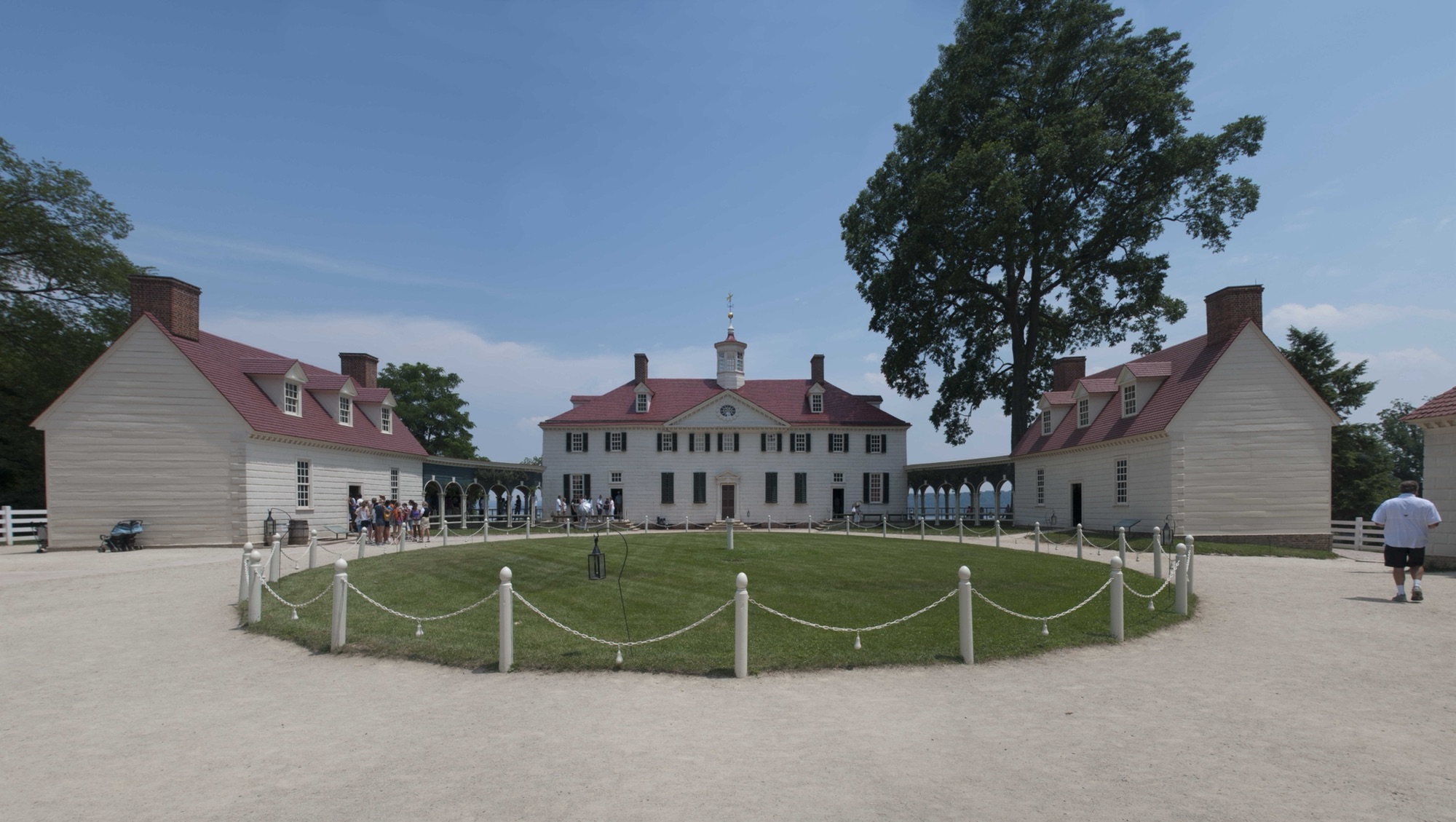

History is rarely a straight line. Most of the time, it is a tangled mess of old deeds, family lines, forgotten treaties, and legal technicalities that you just must sit down and untangle for yourself. I started pulling at a few threads in our family archives recently, and it ended up bridging centuries; tying my Native American roots and distant kinship with George Washington all the way back to the original land patents of Mount Vernon.
What started as a quiet weekend project turned into a wild realization about original land rights, old wills, and the real backstory of one of the country’s most famous estates.
From John Washington to Original Land Patents

The story of Mount Vernon’s land goes back way before George Washington ever lived there. The original patents trace right back to John Washington and his business partner, Nicholas Spencer, who laid claim to the acreage.
What the textbooks skip over is that early treaties were set up to protect Native land rights before those original patents ever made it into the family’s hands. Seeing how those pieces fit together completely shifts the perspective on how the estate was originally built and passed down in the first place.
The Life Estate and Family Leaseholds

As the property moved through the generations, it was originally set up to function as a life estate—meaning it was legally meant to stay in the family rather than just being sold off.
Even George Washington did not just hold absolute, unconditional title from day one. During his lifetime, he leased parts of the estate from another family member, and he later tried to pass the grounds down to his nephews.
Hard Times, the Ladies Association, and Court Battles

Generations down the line, some of my cousins hit some really challenging times. After trying to get the state and the federal government to step in and buy the property, an agreement was made to sell the estate to the Mount Vernon Ladies Association.
The problem? The key family member involved passed away before the deal was completed. Legally speaking, that should have triggered a reversion of the property right back to the heirs.
The historical timing on this is heavy. Around the exact same time my ancestors were being forced onto the Trail of Tears, the family heirs were dragged into court by the Ladies Association because the mansion was falling into total ruin. The Association won those legal battles and has spent the last century plus preserving the place for the public.
Where Things Stand Now

After digging through the archives, reading old wills, and looking closely at the land patents, the bloodline connection is sitting right there in the paperwork. The wills make it clear where I fit into the family tree.
To be honest, I am still wrapping my head around what all of this means in the context of a massive historic landmark. I strongly suspect there are still family lines whose ancestors never actually signed off on or agreed to give away their piece of the estate.
If you are a property lawyer, or know someone who handles complex historic land rights, old trusts, or estate law; hit me up. I am not trying to start a messy war; I just want to calmly figure out what my rights are under the law.
If you have any advice or know the right person to talk to, drop a comment, or reach out directly.