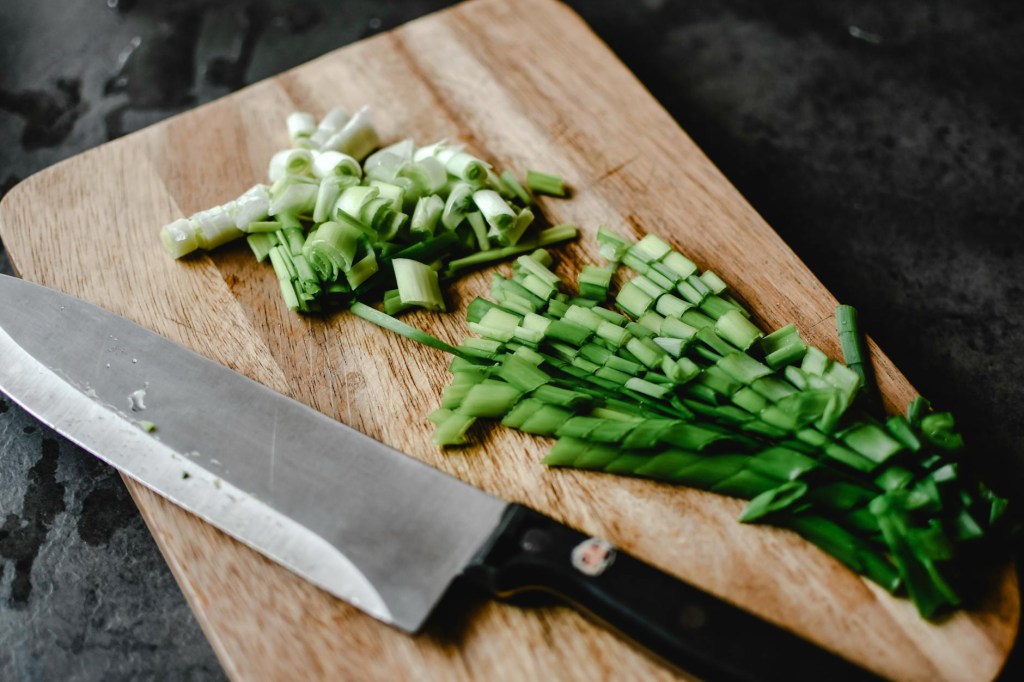
Fresh out of culinary school, I landed my first restaurant job at a small local spot, eager to bring my training to life. Every morning, I arrived early for prep, my own knives and tools in hand, ready to tackle the kitchen’s chaos. I dressed sharp—crisp chef’s coat, clean apron, polished shoes—because I wanted my professionalism to reflect my passion for the craft. Those early hours chopping, dicing, and setting up mise en place were my introduction to the food industry, and they taught me more about its gritty realities than any classroom ever could.
Morning prep was supposed to set the tone for a smooth service, but it was often a one-man show. I’d be there at dawn, breaking down chickens, mincing herbs, and portioning sauces, trying to keep the kitchen on track. Meanwhile, my coworkers lagged behind. Some rolled in late, looking like they’d just stumbled out of bed—stained jackets, untucked shirts, no care for their appearance. None had culinary school training, and it showed in their sloppy knife work and half-hearted efforts. I’d wince watching them hack through vegetables with no finesse, often redoing their prep to meet my standards. It was maddening, having invested years in learning proper technique only to work alongside folks who didn’t give a damn.
The real shock was the food safety mess. During prep, I’d see raw meat juices spill onto boards used for salads, with no one blinking. Ingredients sat out for hours, well past safe limits, and fridge temps were anyone’s guess. The health department complaints stacked up, and customers regularly sent back dishes—undercooked chicken, funky-tasting sauces, the works. One morning, I found a tray of shrimp left out overnight, still slated for lunch service. In a business where one bad plate can kill your rep and margins are paper-thin, that kind of negligence was a disaster waiting to happen.
After a few months, I knew it wasn’t the right fit. The kitchen’s dysfunction—lazy staff, zero standards—wasn’t just a bad vibe; it was a failing operation. We parted ways, and though it hurt, I walked away grateful. Those morning prep shifts honed my speed, kept me cool under pressure, and showed me what not to do in a kitchen. The food industry was messier than I’d dreamed, and the disappointment hit hard. I’d pictured a bustling kitchen where passion drove every dish, but this place was a letdown.
That experience could’ve soured me, but it didn’t. It fueled me. Today, I’m a proud business owner, proof that you don’t give up on your dreams, even when the industry kicks you in the teeth. That first restaurant job showed me how a kitchen crumbles without care, and it drives me to hold higher standards in my own business. The food industry is a grind—brutal hours, tight margins, and no room for sloppiness—but it’s where I belong. To anyone slogging through a tough gig, keep your knives sharp and your hustle sharper. A bad kitchen doesn’t define you. Learn from the mess, stay true to your craft, and never stop chasing your dream. My journey from those chaotic mornings to owning my own business proves it: the grind is worth it if you keep pushing forward.
 Royal Zap
Leave a comment